
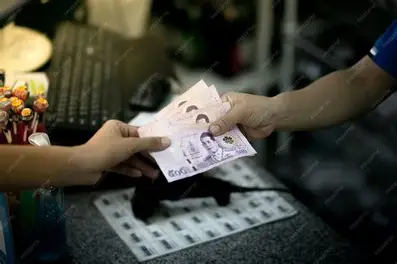
How Much Cash to Bring to Thailand (ATM Fee Hacks & Baht Exchange Tips 2026)
One of the most common questions before a Thailand trip is how much cash to carry and how to access money once you’re there. The answer has changed significantly in recent years — Thai ATMs now charge every foreign card a flat fee, but the right cards and strategy can reduce what you lose on fees and exchange rates to almost nothing. Here’s the full breakdown.
How Much Cash to Bring?
Recommended Cash Breakdown (Per Person, Excluding Accommodation)
• Low-Budget / Backpacker: 1,000 – 1,500 THB/day (£22–£33 / $30–$45)
• Mid-Range Traveler: 2,500 – 4,000 THB/day (£55–£88 / $70–$115)
• Luxury / Island Hopper: 5,000+ THB/day (£110+ / $145+)
Recommended Emergency Buffer: Keep 5,000 THB (£110) in physical cash hidden
separately from your primary cards for unexpected boat transfers or cash-
only medical clinics
The Thai ATM Fee Problem
The Mandatory Thai ATM Fee: Every foreign debit or credit card transaction triggers a flat local fee of 220 THB to 250 THB (~£5–£6), with some major bank machines (like SCB or Krungsri) pushing up to 350 THB. This fee applies on top of any foreign exchange charges from your home bank.
⚠ Key rule: Always withdraw the maximum the ATM allows — typically 20,000–30,000 THB per transaction. Withdrawing 10,000 THB three times costs 660 THB in fees. Withdrawing 30,000 THB once costs 220 THB in fees. Same cash, 440 THB difference.
Best Cards for Using in Thailand (2026)
Number 1 Wise Card (Best Overall)
The Wise multi-currency card gives you the real mid-market exchange rate with no conversion markup. You load GBP (or USD) and it converts to THB at the best available rate when you spend or withdraw. The 220 THB ATM fee is still charged by the Thai machine, but Wise doesn’t add any additional fee on top. Wise also gives two free ATM withdrawals per month up to £200 total before charging a small fee.
Best for: The best overall exchange rate. Primary card for most travelers.
Revolut
Revolut works similarly to Wise with real exchange rates. The free plan gives you fee-free currency exchange up to £1,000/month (then a 0.5% fee), after which it charges a small markup. ATM withdrawals up to £200/month are free on the free plan; beyond that a 2% fee applies. The paid plans (Plus, Premium, Metal) extend these limits.
Best for: Travelers who already use Revolut, or who want the Revolut Premium features like travel insurance.
Charles Schwab Investor Checking (US Travelers)
For American travelers, the Charles Schwab Investor Checking account is the gold standard — it reimburses all ATM fees worldwide including the 220 THB Thai ATM fee at the end of each month. No foreign transaction fees, no monthly charges. Requires a US address to open.
Halifax Clarity / Starling (UK Travelers)
The Halifax Clarity credit card has no foreign transaction fee and gives close-to-real exchange rates. Use it for card purchases (restaurants, hotels, shops that accept cards) but remember it’s a credit card so cash withdrawals accrue interest immediately. Starling Bank’s debit card has no foreign transaction fee and performs well in Thailand.
Avoid: Standard UK/US Debit Cards
Your standard bank debit card (Barclays, HSBC, Bank of America, Chase) typically charges a 2.75–3% foreign transaction fee ON TOP of the 220 THB Thai ATM fee. On a 20,000 THB withdrawal that’s an extra 440 THB in bank charges. Over a two-week trip, this adds up to £30–60 in avoidable fees.
Currency Exchange: ATM vs Airport vs Exchange Bureaux
Bangkok City Exchange Bureau (Best Rates)
Superrich (the orange logo one — not Superrich Green which is a different company) consistently offers Bangkok’s best walk-in exchange rates, particularly on GBP and EUR. Branches in central Bangkok and near major shopping malls. If you arrive with foreign cash to exchange, Superrich is where to do it.
Vasu Exchange and other licensed exchange booths in tourist areas also typically beat airport rates significantly.
Airport Exchange (Worst Rates — Avoid for Large Amounts)
Suvarnabhumi airport exchange booths are convenient but offer exchange rates 10–15% worse than the city. Change only a small amount at the airport (enough for a taxi, SIM card and dinner) — 1,500–2,000 THB is sufficient. Get the rest from an ATM or city exchange bureau once settled.
ATMs (Convenient, Predictable Rate)
Thai ATMs dispense baht at the bank’s wholesale rate, which is close to (but not quite) the real mid-market rate. Combined with your card’s exchange rate, ATMs are a reasonable but not perfect option. With Wise or Revolut, the combined rate is very close to the real rate. With a standard UK bank card, the combined rate is poor.
For additional insight into ATM fees and avoiding unexpected charges, see Thailand ATM Usage Fee Overview.
Currency Ordered Online from Home (Good for Peace of Mind)
Ordering Thai Baht before you leave the UK (from the Post Office, Money Corp, or travelex.co.uk) gives you a rate slightly worse than Wise/ATM but better than the airport. Useful for having cash in hand from the moment you land, particularly if you arrive late at night or are uncertain about ATM access on arrival.
How Much Cash to Actually Bring
| Trip Type | Recommended Cash | Notes |
|---|---|---|
| Budget backpacker (2 weeks) | 10,000–15,000 THB to start | Top up via ATM as needed |
| Mid-range traveler (2 weeks) | 20,000–25,000 THB to start | 1–2 ATM withdrawals during trip |
| Comfort traveler (2 weeks) | 20,000 THB cash + card for hotels | Most upscale spend is card |
| Islands trip (cash-heavy) | Withdraw before you go to island | ATMs on islands charge same but fewer available |
Travel Cost Calculator
Where Cash Is Still Essential
Card payments are more accepted in Thailand than 10 years ago, particularly in Bangkok hotels, malls and restaurants. But cash is still essential for:
- Street food and markets — almost always cash only
- Songthaews, metered taxis, tuk-tuks — cash only
- Temple entrance fees — cash at the gate
- Small guesthouses and island accommodation
- Night markets, floating markets
- Local pharmacies and small shops
Grab and Bolt accept both card and cash (in-app) — set up card payment before you travel so you don’t need cash for rides.
SIM Card on Arrival
Buy a tourist SIM at Suvarnabhumi airport (AIS, DTAC or True Move all have desks in arrivals). A 30-day unlimited data SIM costs 299–699 THB depending on the package. This gives you data for Grab/Maps/Line immediately, which is worth far more than the cost. Pay with cash or card.
Best SIM Card in Thailand (2026 Guide)
Quick Summary: The Optimal Setup
- Load a Wise or Revolut card with your travel budget before departing
- Order 3,000–5,000 THB cash before you fly (or change at Superrich in Bangkok)
- Use your Wise/Revolut card for ATM withdrawals in Thailand — always withdraw the max (20,000–30,000 THB)
- Keep your home bank debit card as a backup, not a primary
- Carry a split of cash and card — never put everything in one place
Planning Your Thailand Trip Details
For the full cost picture: 3 weeks in Thailand: complete budget guide for 2026
- Is Thailand Still Cheap? Real Travel Costs Breakdown for 2026
- Daily Food Budget for Bangkok: Street Food vs Mall Food Courts vs Dining Out
Discover top local food markets with our SookSiam Indoor Street Food Guide.
Plan your river transport routes using our How to Get to ICONSIAM by BTS & Boat Guide.
- For more Bangkok Hotel ideas, see our The Best 5 Star Hotels in Bangkok
- Best Hotels Near BTS Sukhumvit Bangkok (2026 Guide)
- Best Hotels Near Icon Siam Bangkok
- Khao San Road Hotels: From Backpacker Beds to Boutique Rooms
For more Hotel ideas, see our
- Koh Samui Hotels Guide for (2026)
- The Best Hotels in Phuket Thailand 2026
- Top 5 Hotels in Pattaya Thailand 2026
Search live availability and prices across the top booking platforms — find the best deal for your dates.
ⓘ We may earn a small commission if you book through these links — at no extra cost to you. Prices shown are live from each platform.