
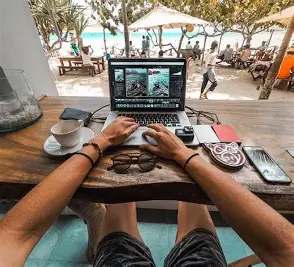
Thailand’s Digital Nomads 2026: Best Cities, Coworking & Monthly Budget
Thailand’s Digital Nomads 2026: Best Cities, Coworking & Monthly Budget Thailand has been a digital nomad destination for over a decade, but 2026 is a different proposition from the early laptop-in-a-coffee-shop era. Faster fiber internet, a formal visa pathway for remote workers, a mature coworking ecosystem and a genuine community infrastructure in Chiang Mai and Bangkok have made it one of the most practical long-stay destinations in the world. Here is what it actually costs, which city suits which kind of worker, and how the visa situation stands right now.
In This Guide
Thailand DTV Visa 2026 — The Digital Nomad Pathway
Thailand launched the Destination Thailand Visa (DTV) specifically for digital nomads, remote workers and freelancers. After years of people stretching tourist exemptions and doing border runs, this is the first legitimate long-stay visa for those whose income comes from outside Thailand.
DTV Key Facts
| Detail | Requirement |
|---|---|
| Validity | 5 years, multiple entry |
| Stay per entry | 180 days, extendable once for a further 180 days at a Thai immigration office |
| Proof of funds | 500,000 THB (~£11,200) in a bank account OR equivalent foreign account |
| Police clearance | Criminal record check from your home country — required as of 2026 updates |
| Health insurance | Minimum coverage of 40,000 THB outpatient / 400,000 THB inpatient required |
| Visa fee | 10,000 THB (~£224) per application |
| Where to apply | Thai embassy in your home country |
| Work restriction | Must work for a company or clients outside Thailand. Working for Thai clients or companies requires a separate work permit. |
2026 Update — Police Clearance: The home-country police clearance requirement was introduced in recent DTV updates. For UK applicants this means obtaining an ACRO Police Certificate (from ACPO/ACRO, approximately £35, takes 10–20 days). Allow extra lead time before your intended travel date and ensure the certificate is apostilled if your Thai embassy requires it.
For full visa details including the 30-day exemption for short stays, see our Thailand Visa Guide 2026 →
Which City Is Right for You?
| City | Best For | Monthly Budget | Vibe |
|---|---|---|---|
| Chiang Mai | Community, affordability, culture | £790–£1,185 | Settled, long-stay, productive |
| Bangkok | Connectivity, lifestyle, infrastructure | £1,185–£1,740 | Urban, fast-paced, cosmopolitan |
| Phuket | Island life with infrastructure | £1,185–£1,740 | Beach lifestyle, growing nomad scene |
| Koh Phangan | Work-life balance, community | £950–£1,380 | Slow, creative, very social |
Chiang Mai — The Original Nomad Capital
Chiang Mai built its reputation as a digital nomad base over a decade of organic development and it shows — the infrastructure is mature in a way that newer destinations aren’t. There’s a coworking space for every type of worker, a café scene genuinely designed around people spending the day with a laptop, and a nomad community that self-organises constantly through meetups, Slack groups and Facebook communities.
Best Coworking Spaces in Chiang Mai
| Space | Day Pass | Monthly | Best For |
|---|---|---|---|
| CAMP (Maya Mall) | Free with purchase | — | Casual work, meeting people |
| Yellow | ~£7 | ~£90 | Focused work, fast internet |
| MANA | ~£6 | ~£80 | Community, events, co-living |
| Pun space (Nimman) | ~£8 | ~£100 | Reliable uptime, professional |
| RISTR8TO Lab | Café spend | — | Best coffee in Chiang Mai |
Best neighbourhood: Nimman Road area (Nimmanhaemin) — closest thing to a digital nomad village. Cafes, coworking spaces, gyms, international food and a walkable layout. The Old City area is atmospheric but WiFi in its cafés is more variable.
Chiang Mai Monthly Budget (2026)
| Thailand’s Digital Nomads Category | Budget | Mid-Range |
|---|---|---|
| Accommodation (1-bed apartment) | £220–£290 | £360–£520 |
| Food (mix of local & some restaurants) | £150–£220 | £280–£400 |
| Coworking / café spend | £60–£90 | £90–£130 |
| Transport (scooter rental + fuel) | £55–£80 | £80–£120 |
| Health insurance | £55–£90 | £90–£150 |
| SIM data plan | £8–£15 | £8–£15 |
| Activities, entertainment, travel | £80–£120 | £150–£250 |
| Monthly Total | £628–£905 | £1,058–£1,585 |
Bangkok — Connectivity, Speed & Everything Else
Bangkok is not the cheapest Thailand base — but it has infrastructure that nothing else in the country matches. Gigabit fiber is available and affordable. The BTS and MRT mean you can live anywhere on the transit network and be at any meeting or coworking space in 20–30 minutes. The food scene is one of the world’s best. The nightlife is legendary. And for those who need to fly regularly — to clients, conferences, or neighboring countries — Suvarnabhumi and Don Mueang between them connect to virtually everywhere.
Best Areas to Base Yourself in Bangkok
- Asok / Ekkamai: The classic Bangkok nomad base. Excellent BTS access, Terminal 21 food court, good coworking density, walkable mix of international and local.
- Ari: Quieter, more residential, increasingly popular with longer-stay professionals. Good café scene, excellent food, slightly removed from tourist activity.
- Silom / Sathorn: CBD area, good if you have in-person meetings or need to project a professional address.
- Thonglor / Ekkamai: Bangkok’s most fashionable neighbourhood. Excellent restaurants and bars, great cafés, higher price point.
Where to Stay Near Silom Bangkok
Best Hotels Near Icon Siam Bangkok.
Bangkok Monthly Budget (2026)
| Thailand’s Digital Nomads Category | Budget | Mid-Range |
|---|---|---|
| Accommodation (1-bed, BTS-adjacent) | £380–£520 | £650–£950 |
| Food & drink | £200–£300 | £350–£550 |
| Coworking | £80–£130 | £130–£200 |
| Transport (BTS + Grab) | £80–£130 | £130–£200 |
| Health insurance | £55–£90 | £90–£180 |
| Entertainment & lifestyle | £100–£180 | £250–£400 |
| Monthly Total | £895–£1,350 | £1,600–£2,480 |
Koh Phangan & Phuket — Island Work-Life Balance
Koh Phangan
Best known for the Full Moon Party, Koh Phangan has reinvented itself as a serious digital nomad destination over the past five years. The southern Haad Rin area remains party-focused, but Srithanu on the west coast has developed into a genuinely intentional nomad village — yoga studios, plant-based cafés, coworking spaces, a strong wellness culture and a collaborative community feel that attracts long-stay workers who want something different from Chiang Mai’s established scene.
Practical reality: Internet is significantly less reliable than the mainland. It is adequate for standard remote work (video calls, cloud tools) but not ideal for high-bandwidth demands. Come here for the lifestyle; ensure your work setup can handle occasional connectivity issues.
Phuket
Phuket has grown into a legitimate nomad destination on the back of improved connectivity, an international airport, and the lifestyle appeal of beach access within 20 minutes of wherever you’re working. The Cherng Talay / Laguna area and parts of Phuket Town have the strongest coworking infrastructure. The Bang Tao / Layan beach area offers high-quality long-term rental villas at prices that compare favorably with Bangkok for the level of space and setting you get.
Internet Speed & Reliability in Thailand
| Thailand’s Digital Nomads Location | Typical Speed (Fiber) | Reliability | Monthly Cost (Home Fiber) |
|---|---|---|---|
| Bangkok | 500Mbps–1Gbps | ⭐⭐⭐⭐⭐ Excellent | £10–£18 |
| Chiang Mai | 200–500Mbps | ⭐⭐⭐⭐ Very Good | £8–£15 |
| Phuket (town/Laguna) | 100–300Mbps | ⭐⭐⭐⭐ Good | £10–£18 |
| Koh Phangan | 20–60Mbps | ⭐⭐⭐ Variable | £12–£20 |
| Koh Samui | 30–80Mbps | ⭐⭐⭐ Generally Good | £12–£20 |
Providers: AIS Fiber and True Move H are the two best for home broadband in Thailand. AIS Fiber in Bangkok regularly delivers close to advertised gigabit speeds. In apartments and condos, the building contract often bundles fiber — check before signing.
SIM Cards & eSIMs for Thailand
For a short trial stay or your first month, a local SIM from AIS, DTAC or True Move H gives you the best value data. For those who need to maintain a home-country number (for banking, client calls, two-factor authentication), an eSIM running alongside a Thai SIM is the practical solution.
Recommended tourist/trial SIM: AIS 30-day unlimited data SIM, available at Suvarnabhumi Airport arrivals and any AIS shop. Approximately £6–12 depending on package.
For eSIM on arrival before you buy a local SIM: Airalo offers Thailand eSIM packages from around £4 for 1GB to £18 for 20GB. Activate before you board — you’ll have data the moment you land.
Read our Best SIM card Thailand 2026
Frequently Asked Questions
Can I work remotely in Thailand legally?
Yes, via the Destination Thailand Visa (DTV). This is a 5-year multiple-entry visa designed for remote workers, digital nomads and freelancers whose income comes from outside Thailand. You need 500,000 THB (~£11,200) in provable funds, a home-country police clearance and health insurance meeting minimum Thai coverage requirements.
How much do I need to earn to live comfortably in Chiang Mai?
A comfortable lifestyle in Chiang Mai with a decent 1-bed apartment, daily restaurant eating, a scooter and regular activities costs £1,100–£1,400 per month. Earning £1,800–£2,000 per month gives you comfortable living with savings and travel money.
Is Bangkok good for digital nomads?
Yes — Bangkok has world-class internet, excellent coworking spaces, outstanding food, good transport and the best flight connections in Southeast Asia. The trade-off is cost: Bangkok runs 40–60% more expensive than Chiang Mai for equivalent accommodation, and the city’s scale can be overwhelming for those who prefer a quieter environment.
What is the best eSIM for Thailand?
Airalo and Holafly are the two most reliable eSIM providers for Thailand. For short visits (up to 2 weeks) an eSIM is practical and avoids airport SIM queues. For stays of a month or more, buying a local AIS or True Move H SIM gives better value and speeds.
Read our Best SIM card Thailand 2026
Planning Your Move
- Flying from the UK? See our Manchester to Phuket flights guide and Norse Atlantic direct Manchester to Bangkok from December 2026
- Flying from the US? See our Chicago to Bangkok guide and Los Angeles to Phuket guide
- ATM fees & managing money in Thailand
- Is Thailand still cheap in 2026?
Thailand Budget Guides
- 3 weeks in Thailand — realistic budget guide 2026
- Is Thailand still cheap in 2026?
- Bangkok daily food budget — street food vs restaurants
- How much cash to bring to Thailand — ATM fee guide
Compare & Book — Search Live Hotel Prices
Check availability and compare prices across the top booking platforms to find the best deal for your dates.
ⓘ We may earn a small commission if you book through these links — at no extra cost to you.